

|

|
|
What Makes a Person Ineligible to Own a Firearm in Illinois?
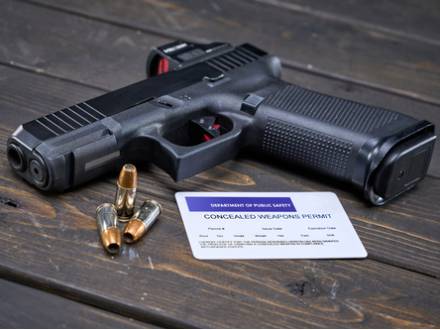 Since its founding, the United States has had a unique relationship with guns. The right to bear arms is enshrined in the Second Amendment of the Constitution. Each state has the authority to regulate how guns may be purchased, possessed, and used within its borders. Illinois is among the states with the most firearm regulations.
Some of these regulations say that not everyone is legally allowed to own or possess a gun in the state. Illinois law has many circumstances that can make a person ineligible to own a firearm or get a Firearm Owner’s Identification (FOID) card. Violations of these restrictions can lead to severe criminal penalties.
If you are accused of illegally owning or having a gun, you need an experienced Rolling Meadows criminal defense lawyer to protect your rights now. At Scott F. Anderson, Attorney at Law, we have helped many clients challenge firearm-related charges and restore their gun rights.
Illinois’ FOID Card Requirement
Under 430 ILCS 65, any Illinois resident who wants to legally own or buy a gun or ammunition must first get a Firearm Owner’s Identification (FOID) card from the Illinois State Police (ISP). The FOID card system serves as a statewide vetting process to ensure that only qualified individuals can legally own or use firearms.
To receive a FOID card, you must meet eligibility requirements and not fall into any of the categories of people disqualified under state or federal law. The application process includes a background check. This searches for criminal convictions, protective orders, immigration status, and mental health history. If the ISP decides that you are ineligible, your application will be denied.
Age and Residency Restrictions on Gun Ownership in Illinois
Illinois law sets clear age and residency requirements for gun ownership. You must be at least 21 years old to receive a FOID card. However, minors who are at least 18 may apply for handgun and long gun permission if they have the written consent of a parent or legal guardian. Your parent does not need to have an FOID card but they do need to be eligible to have one for their written consent to be considered.
If you do not live in Illinois, you cannot get a FOID card unless you are employed in Illinois as a law enforcement officer or member of the armed forces stationed in the state. Simply put, if you are not an Illinois resident, you usually cannot have or buy guns here.
Criminal Convictions and Felony Offenses Prohibit Gun Ownership
Under 720 ILCS 5/24-1.1, anyone convicted of a felony cannot have a firearm or ammo in their possession. This restriction applies no matter what kind of felony you were convicted of.
In addition, a person who has been convicted of domestic battery, aggravated assault with a firearm, or a violation of an order of protection involving a firearm is ineligible to own or possess guns. These restrictions are based on both state and federal law.
Substance Abuse and Addiction and Gun Rights in Illinois
Individuals who are addicted to drugs or alcohol cannot get an FOID card under Illinois law. This restriction is meant to prevent those with impaired judgment from getting their hands on weapons. Documented addiction or evidence of substance abuse can be used by the Illinois State Police to deny or revoke your firearm rights.
Recovery or rehabilitation may allow you to get your eligibility back after a period of time, but doing so requires evidence of treatment and proof that you are no longer a safety risk.
Can Mental Health or Developmental Disability Keep You From Owning a Gun in Illinois?
Mental health history is one of the most significant factors in firearm eligibility in Illinois. A person is ineligible for an FOID card if they have been involuntarily committed or have been a patient in a mental health facility within the previous five years. Even if more than five years have passed, you may still have to have certification from a licensed mental health professional stating that you are fit to have a gun.
The law also prohibits gun ownership by anyone a court has declared mentally disabled, intellectually or developmentally disabled, or legally incompetent. In some cases, people who have recovered from mental illness can petition the Illinois State Police or the court to get their firearm rights back.
Most Non-Citizens Cannot Own or Possess Guns
Federal and state laws restrict firearm ownership for certain non-citizens. Illegal immigrants, including those without visas or residency, cannot legally have or buy firearms in Illinois. Legal permanent residents and certain visa holders may qualify, but they must still meet all other state FOID eligibility requirements.
Orders of Protection, Domestic Violence Cases, and Illinois Gun Rights
If you are currently under an order of protection, even a temporary one, Illinois law prohibits you from possessing firearms until the order is lifted or expires. Courts frequently include firearm restrictions in protective orders related to allegations of domestic violence, harassment, or abuse.
Violating this restriction can get you arrested for unlawful possession with extra penalties. Once the order expires or is dismissed, you may petition the Illinois State Police to reinstate your FOID card. However, any underlying conviction for domestic battery or similar charges may still disqualify you permanently.
Dishonorable Military Discharge and Other Disqualifiers
A dishonorable discharge from the U.S. military is another disqualifying factor for firearm ownership under both state and federal law. The reasoning behind this restriction is that a dishonorable discharge indicates serious misconduct or criminal behavior incompatible with responsible gun ownership.
Additional disqualifiers include being a fugitive, being under indictment for a felony, or being found by a court to be a danger to yourself or others. The Illinois State Police conducts regular database checks to find those who have become disqualified and will send written notice requiring people to give up any firearms and their FOID cards.
What To do If You Are Ineligible for an Illinois FOID
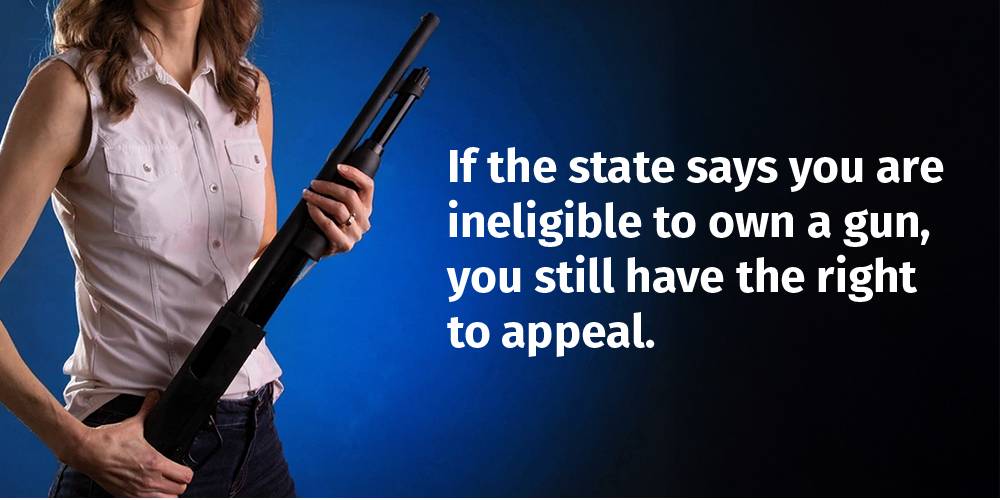
If the state determines that you are ineligible to own or possess firearms, you will receive written notice from the Illinois State Police explaining the reason. You are required to surrender your FOID card and any guns in your possession. Failure to do so can result in additional criminal charges.
You do have the right to appeal the denial or revocation. The appeals process involves showing evidence of rehabilitation, treatment, or correction of the disqualifying factor. For example, those who were once treated for mental illness may submit documentation from a licensed physician showing their recovery and mental fitness. In some cases, your attorney can also petition for judicial review if the Illinois State Police denies your appeal.
Call an Arlington Heights, IL Criminal Defense Lawyer Today
Gun laws in Illinois are complex and strictly enforced. The sooner you contact a lawyer, the sooner you can begin building a defense or getting your gun rights back.
At Scott F. Anderson, Attorney at Law, our Rolling Meadows gun crimes defense attorney has extensive experience representing clients in cases involving FOID card eligibility, firearm possession charges, and appeals before the Illinois State Police. We will review your case, explain your options, and protect your rights. Call 847-253-3400 today to schedule a free consultation.
CALL US TODAY AT 847-253-3400 FOR A FREE INITIAL CONSULTATION
Client accused of burglary was acquitted due to our skillful cross examination of eye witness identification.
Client accused of causing the death of another while driving under the influence - Acquitted.
Client accused of first degree murder - Acquitted.
Client accused of embezzlement - Charges never filed.
Hundreds of Secretary of State hearings for Drivers License Reinstatement - Won.



121 S. Wilke, Suite 301, Arlington Heights, IL 60005
847-253-3400
