

|

|
|
Examples of Property Crimes in Illinois: A Brief Overview
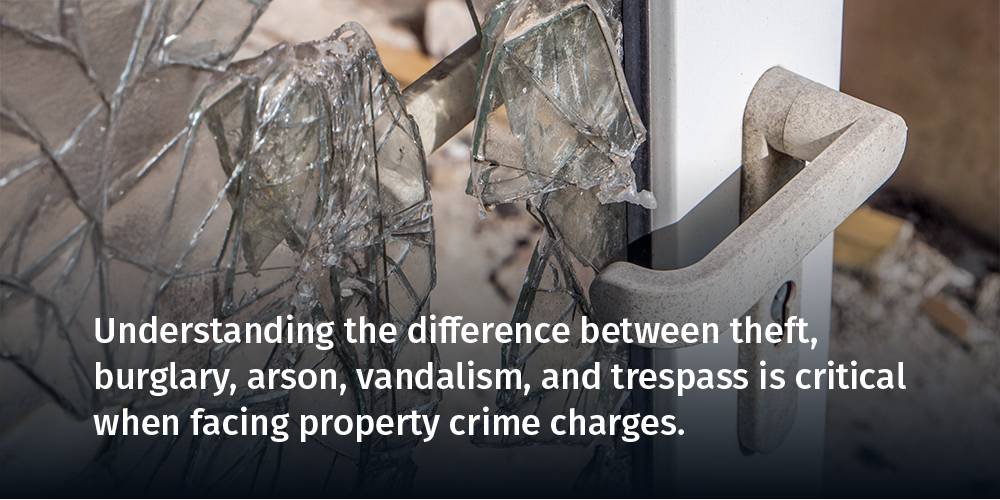
 Property crimes in Illinois encompass a broad range of illegal activities committed against personal or real property. These criminal offenses include theft, burglary, arson, vandalism, and trespassing, among others. Accusations of property crimes need to be taken seriously. Even a minor conviction can stay on your record forever.
According to the Federal Bureau of Investigation (FBI) and USAFacts.org, Illinois has seen an increasing rate of property crimes in recent years – as many as 1,715 property crimes per 100,000 people, even though property crime rates have declined over the past decade. These offenses still represent a significant portion of criminal cases to be prosecuted in Illinois courts in 2026. If you live in Illinois and have been charged with a property crime, contact a Rolling Meadows criminal defense attorney right away to fight the charge.
Most Common Property Crimes in Illinois
The Illinois Criminal Code under 720 ILCS 5 defines property crimes and sets penalties based on factors like the value of property involved, whether force or weapons were used, and the defendant's criminal history. Here is an overview of the most common property crimes in Illinois.
Theft
Theft occurs when someone intentionally and permanently takes another person's property without their consent. Examples include stealing a person's car, shoplifting from a store, or embezzling funds from an employer. Theft crimes are classified based on the value of the stolen property, with penalties ranging from misdemeanors to felonies.
Retail theft valued under $500 is typically charged as a Class A misdemeanor. Theft of property worth more than $500 becomes a felony, with increasingly severe charges as the value increases.
Burglary
Burglary involves unlawfully entering a structure, vehicle, or dwelling with the intent to commit a criminal act inside. It is important to note that burglary often involves theft but may also include crimes such as vandalism or assault. Under 720 ILCS 5/19-1, theft does not actually have to occur for an action to be charged as burglary. The intent to commit a crime at the time of entry is enough to be charged.
Notably, burglary charges can be significantly enhanced if someone carries or uses a weapon or causes bodily harm during the burglary.
Arson
Arson refers to intentionally and unlawfully setting fire to someone else's property. Arson can involve buildings, vehicles, or other structures. Under Illinois law, arson is considered an especially serious crime due to its potential for harm to a large number of people and substantial amounts of property. The severity of the charge depends on many factors, such as the intention behind the act, the extent of property damage, and whether injuries or deaths resulted from the act.
Charges of first-degree arson can be brought when the defendant knew or reasonably should have known people were in the building, or if someone was hurt. This is a Class X felony, the most serious classification, carrying sentences of six to 30 years in prison. Arson resulting in death may lead to separate homicide charges under Illinois law.
Vandalism
Also known as criminal damage to property, vandalism includes acts such as graffiti, destruction of public property, or keying a car. Vandalism is a criminal offense that can result in fines, probation, or even jail time, depending on the extent of the damage caused.
The types of criminal damage charges that can be brought depend primarily on the value of the damage that was caused. Damage under $500 is typically a Class A misdemeanor. Damage valued at between $500 and $10,000 is a Class 4 felony. More severe charges apply as damage amounts increase. Damage to government property, places of worship, or schools can result in enhanced penalties.
Trespassing
Trespassing occurs when someone enters or remains on another person's property without permission. It can include both residential and commercial properties. Trespassing laws in Illinois differ based on whether the entry was simply unauthorized or if the property owner expressly forbade entry.
Criminal trespass to a residence is more serious than trespass to land or other property. Entering someone's home without authority is a Class 4 felony because of the intrusion into private living space. Trespass to land is typically a Class C misdemeanor, but can be elevated based on the circumstances.
Trespassing becomes more serious when coupled with other criminal intent. Someone who trespasses with intent to commit theft or another crime faces burglary charges rather than simple trespass. The difference lies in what the person intended to do after entering the property.
How Can You Defend Against Property Crime Charges?
Lack of Intent
Several defenses can apply to property crime charges depending on the circumstances. Lack of intent is a common defense. Many property crimes require proof that you intended to commit the offense. If you took property believing it was yours or had permission to use it, you lacked the criminal intent necessary for a conviction.
Mistaken Identity/Unreliable Witnesses
Mistaken identity occurs more often than people realize. Witnesses misidentify suspects, particularly in cases involving poor lighting or brief observations. Security footage might be grainy or inconclusive. Your attorney can challenge identification evidence and present alibi witnesses showing you were somewhere else when the crime occurred.
Evidentiary Issues
Insufficient evidence gives prosecutors trouble in many cases. The burden of proof beyond a reasonable doubt is high. If the state cannot prove every element of the offense, a judge or jury may decide the evidence does not support a conviction. Your attorney can highlight gaps in the evidence or constitutional issues from how the evidence was collected, and argue for the charges to be dismissed or for an acquittal.
False Accusations
False accusations happen in domestic disputes, custody battles, and conflicts between neighbors or business partners. Someone might falsely claim you stole from them, damaged their property, or trespassed to get you in trouble. Your attorney can expose the accuser's motive to lie and present evidence disproving their claims.
Contact an Arlington Heights, IL Criminal Defense Attorney
For legal representation you can count on, call the top-rated Rolling Meadows, IL criminal defense lawyer with Scott F. Anderson, Attorney at Law. With over 25 years of experience defending clients against property crime charges, Attorney Anderson understands Illinois criminal law and knows how to build strong defenses. Call 847-253-3400 for a free consultation.
CALL US TODAY AT 847-253-3400 FOR A FREE INITIAL CONSULTATION
Client accused of burglary was acquitted due to our skillful cross examination of eye witness identification.
Client accused of causing the death of another while driving under the influence - Acquitted.
Client accused of first degree murder - Acquitted.
Client accused of embezzlement - Charges never filed.
Hundreds of Secretary of State hearings for Drivers License Reinstatement - Won.



121 S. Wilke, Suite 301, Arlington Heights, IL 60005
847-253-3400
