

|

|
|
Can I Get a DUI if Someone Reports Me for Drunk Driving?
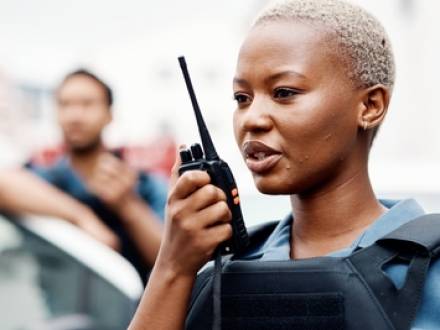 If someone calls the police to report you for drunk driving, you can get charged with a DUI. When a report is made, law enforcement may come to investigate, and if they find you driving under the influence, you could be arrested and charged.
Even if you have already arrived home, police officers can use witness statements, video evidence, or even your own actions as evidence against you. It is essential to understand that once a report is made, the police have a duty to investigate, and if they find enough evidence, they will pursue a DUI charge. If you find yourself in this situation, it is important to speak with an experienced Arlington Heights, IL DUI attorney who knows how prosecutors think and can build a strong defense for you. Scott F. Anderson, Attorney at Law has a history of successful case results, including dismissals for repeat DUI offenses.
What Happens When Someone Calls the Police Suspecting a DUI?
When someone calls the police to report suspected drunk driving, officers are usually dispatched to investigate the report immediately. The police will look for the vehicle in question and will try to observe any signs of impaired driving, such as swerving, speeding, or erratic behavior.
If the police locate your vehicle and find sufficient cause — like a traffic violation or visible signs of impairment — they can pull you over. Once you are stopped, they may ask you to perform field sobriety tests or a breathalyzer test. Even if the call to the police was based on suspicion alone, an officer's observations can provide enough grounds to charge you with a DUI if you appear to be intoxicated.
Can I Be Charged with DUI if I Was Not Pulled Over?
It is possible to be charged with a DUI even if you were not pulled over at the time. If someone calls the police and reports your license plate, the police might come to your home or any other place they believe you to be. If they observe signs of impairment and find evidence that you drove while intoxicated, they could arrest and charge you.
This kind of situation can be particularly challenging, as the police may rely on witness statements, and they could use your behavior during the interaction to build a case against you. Having a knowledgeable DUI defense attorney can make a significant difference, especially when dealing with such evidence.
What Are the Penalties for a DUI in Illinois?
The penalties for a DUI in Illinois depend on whether it is your first, second, or subsequent offense. For a first-time DUI conviction, you could face up to one year in jail, fines of up to $2,500, and a revocation of your driving privileges for at least a year (625 ILCS 5/11-501). You may also be required to complete an alcohol education program. A second DUI offense could result in a minimum five-day jail sentence or 240 hours of community service, along with steeper fines and a longer license revocation of five years or more.
For a third or subsequent DUI, the consequences become even more severe. You could face felony DUI charges, which means a prison sentence of three to seven years, heavy fines, and the loss of your driving privileges for 10 years or longer. Additionally, repeat offenders may be required to install an ignition interlock device (IID) on their vehicle as a condition for reinstating their license.
What Should I Do if I Am Facing a DUI Charge After a Report in 2026?
If someone has reported you for drunk driving and you are now facing DUI charges, it is important to act quickly. The earlier you contact a skilled DUI attorney, the better your chances are of minimizing the impact of these charges. An experienced lawyer can review the evidence against you, determine if the police had probable cause, and ensure that your rights were not violated.
Do You Need to Answer Questions From Police About Allegations of Drunk Driving?
When police officers follow up on a drunk driving report, you do not have to answer their questions. The Fifth Amendment gives you the right to stay silent. You may need to give your name if an officer asks for it, but you can politely decline to say anything else. Simple statements can hurt you later. Saying "I only had two beers" or "I just got home" can help the state prove when you drank and when you drove.
You also do not have to let officers into your home without a warrant. Calmly tell them you do not consent to a search. Field sobriety tests are voluntary in Illinois, and you can refuse them. Chemical tests are different. If you are arrested, refusing a breath or blood test can lead to an automatic license suspension. The best response is to stay calm, stay polite, and ask to speak with a lawyer.
How Can You Fight a DUI Charge That Didn’t Involve a Traffic Stop?
A DUI charge without a traffic stop often has gaps the state must fill. In a normal stop, an officer sees the person driving. Without that, prosecutors have to prove you were the driver, and that you were impaired at the time you drove.
Timing is often the weakest point. If you drank after you got home, your test results may not reflect your condition behind the wheel. A breath test taken an hour or two later does not show what was happening on the road.
The person who made the report may also be wrong. Callers can mix up cars, misread plates, or mistake tired driving for drunk driving. Their story may change, or they may not appear in court at all.
How the police gathered evidence is another key issue. If officers entered your home without a warrant or questioned you without proper warnings, a judge may throw out that evidence. Our attorney looks closely at each of these issues to find weaknesses in the case.
Contact an Arlington Heights, IL Criminal Defense Attorney
Facing a DUI charge after someone calls the police on you can be overwhelming, but you do not have to go through it alone. With the help of an experienced Rolling Meadows, IL DUI lawyer who has worked as a former prosecutor, you can build a strong defense and fight for the best possible outcome. Contact Scott F. Anderson, Attorney at Law today at 847-253-3400 to schedule a free consultation and get the guidance you need from someone who understands both sides of the courtroom.
CALL US TODAY AT 847-253-3400 FOR A FREE INITIAL CONSULTATION
Client accused of burglary was acquitted due to our skillful cross examination of eye witness identification.
Client accused of causing the death of another while driving under the influence - Acquitted.
Client accused of first degree murder - Acquitted.
Client accused of embezzlement - Charges never filed.
Hundreds of Secretary of State hearings for Drivers License Reinstatement - Won.



121 S. Wilke, Suite 301, Arlington Heights, IL 60005
847-253-3400
